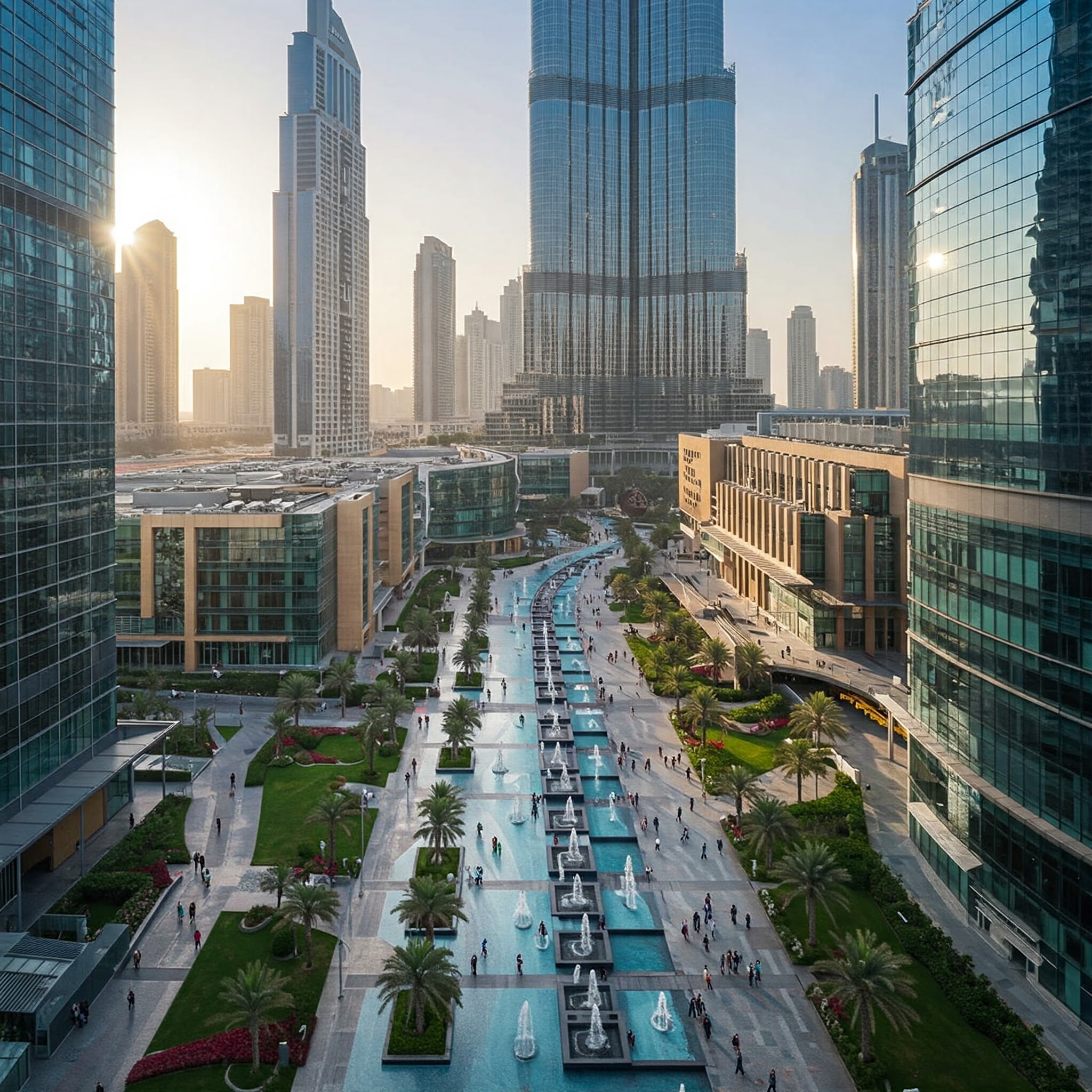
The Dubai International Financial Centre (DIFC) marked its 20th anniversary with unprecedented growth in 2024, solidifying its position as the leading financial hub in the Middle East, Africa, and South Asia (MEASA) region. The Centre reported a 25% increase in active registered companies, rising from 5,523 in 2023 to 6,920 in 2024, with 1,823 new companies joining during the year. This expansion was accompanied by a 12% growth in the workforce, reaching a total of 43,787 employees.
Market Performance and Trends
The DIFC's robust growth reflects its strategic initiatives and the broader economic environment:
-
Revenue and Profit Growth: In 2024, DIFC's revenue reached 1.78 billion, a 37% increase from the previous year, while operating profit grew by 55% to 1.33 billion. This significant growth is attributed to increased leasing activity, higher demand for financial services, and the expansion of its fintech and innovation sectors. The rising profitability underscores DIFC’s attractiveness to global investors and businesses looking to establish a presence in the region.
-
Sector Diversification: The Centre saw a 33% increase in fintech and innovation firms, growing from 811 to 1,081 companies. This shift indicates DIFC’s strategic focus on technology-driven financial services, as global financial institutions increasingly invest in digital banking, blockchain solutions, and artificial intelligence-driven financial tools. The rise of fintech firms has also spurred demand for specialized commercial spaces tailored to startups and tech-driven enterprises.
-
Infrastructure Expansion: To accommodate growing demand, DIFC added over 200,000 square feet of commercial space with the opening of DIFC Innovation One in Q1 2024. Additionally, an extra 1.6 million square feet of office space is planned over the next three years, reflecting the Centre’s proactive approach in ensuring adequate supply for incoming businesses. This expansion is expected to further boost commercial real estate values in the DIFC area and its surroundings.
Implications for the Real Estate Market
The significant influx of new companies and professionals has direct implications for Dubai's real estate sector:
-
Commercial Real Estate Demand: The addition of 1,823 new companies has increased the need for premium office spaces, leading to higher occupancy rates and rental prices in and around the DIFC area. As financial firms, investment funds, and fintech companies set up operations, demand for Grade A office spaces has surged. This has driven rental growth in prime locations, with some landlords adjusting lease terms to cater to high-end corporate clients.
-
Residential Property Market: The 12% workforce growth translates to increased demand for housing, particularly in proximity to the financial centre. Neighborhoods such as Downtown Dubai, Business Bay, and City Walk have seen a rise in rental rates and property sales due to the influx of highly paid professionals seeking luxury and high-end living options. This trend is expected to continue as more global firms relocate employees to Dubai.
-
Investor Opportunities: The expansion of fintech and innovation sectors presents opportunities for investors to develop specialized commercial spaces catering to these industries’ unique needs. With increasing demand for flexible workspaces, co-working hubs, and smart offices, developers are adapting to the evolving preferences of businesses and professionals within DIFC’s ecosystem. Additionally, the rising number of expatriates in the financial sector creates opportunities for investors targeting the luxury residential rental market.
Economic and Policy Factors
Dubai’s strategic location, business-friendly environment, and initiatives such as 100% foreign ownership in select sectors have enhanced its attractiveness to international businesses. The DIFC’s legal and regulatory framework, distinct from the UAE’s civil and commercial laws, offers a common law system that appeals to global financial institutions. The UAE’s long-term visa programs, including Golden Visas and Green Visas, have further encouraged high-net-worth individuals and entrepreneurs to invest in the region.
Investor Considerations
For investors evaluating opportunities in Dubai's real estate market, the following factors are pertinent:
-
Market Demand Analysis: Investors should assess the sustained demand for commercial and residential properties in the DIFC vicinity. The growth in financial and fintech firms suggests that high-end office spaces will continue to see increased demand, while luxury residential properties in close proximity to DIFC will likely remain strong investment options.
-
Regulatory Environment: Understanding DIFC’s unique legal framework is crucial for real estate investors, as properties within DIFC operate under a common law jurisdiction rather than UAE federal law. This provides increased legal transparency and protections for foreign investors, making the DIFC an attractive destination for international capital.
-
Economic Indicators: Monitoring Dubai’s economic performance, including GDP growth, inflation rates, and sector-specific developments, can aid in forecasting real estate market trends. DIFC’s expansion aligns with Dubai’s broader economic diversification strategy, positioning it as a stable and growth-oriented market for investors.
Outlook for DIFC and Real Estate Growth in 2024 and Beyond
The DIFC’s remarkable growth in 2024 underscores its pivotal role in shaping Dubai’s financial landscape. With a strong pipeline of new businesses, workforce expansion, and continued investment in commercial real estate, the financial hub is set to further strengthen its global standing. This expansion not only bolsters the emirate’s position as a leading financial center but also presents substantial opportunities for real estate investors, particularly in commercial leasing, luxury residential properties, and mixed-use developments.
As Dubai continues to attract international businesses and talent, the DIFC’s sustained growth will play a key role in shaping the city’s broader economic and real estate market trajectory.